


Alloy Equipment
Why Choose Us
Rich Experience
ECOVACS' more than 20 years of work in smart home robotics has seen the company transformed from a visionary startup into a global corporation.
Strong Production Capacity
GROHE operates five production sites. With three production sites, Germany is the location for innovation, design and development.
Reliable Product Quality
Dedication to cutting-edge innovation and quality assurance is central to ECOVACS' philosophy of R&D.
Professional Technical Team
COVACS' R&D team continues to grow with a team of nearly 800 engineers and specialists in place.


Submerged ore furnace is also being called reduction electric furnace or ore-smelting electric furnaces. One end of the electrode of submerged ore furnace inserts inside the scrap and form electric arc to heat and melting scrap by resistance of the scrap. Submerged ore furnace is usually to melting ferro alloys with various kinds of raw materials.
Advantages of Submerged Ore Furnace
Larger Size and Power
One of the notable advantages of submerged ore furnaces is their substantial size and power capacity. Compared to other types of melting furnaces, submerged ore furnaces tend to be larger and more powerful. This characteristic enables them to handle larger quantities of scrap steel and melt it efficiently.
Quick Construction and Fast Cost Recovery
Submerged ore furnaces are known for their relatively quick construction process compared to other types of furnaces. This swift setup allows for faster deployment and integration into steelmaking facilities. Additionally, the fast construction translates to rapid cost recovery, making submerged ore furnaces an economically viable option for steel manufacturers.
Precise Temperature Control
Temperature control is crucial in steelmaking processes to ensure the desired quality and properties of the final product. submerged ore furnaces excel in this aspect by offering precise temperature control mechanisms. Operators can accurately regulate the temperature within the furnace, allowing for optimal smelting conditions and consistent steel quality.
Versatility in Smelting Various Steels
Submerged ore furnaces boast versatility in smelting different types of steels, including those containing refractory elements such as tungsten (W) and molybdenum (Mo). This capability enables the production of a wide range of steel compositions tailored to specific industrial requirements. Moreover, submerged ore furnaces can efficiently remove toxic gases and inclusions while deoxidizing and desulfurating the molten steel, contributing to enhanced product purity.
Environmental Benefits
In addition to their operational advantages, submerged ore furnaces offer environmental benefits. They provide an efficient means to significantly reduce carbon emissions in steel production compared to traditional methods. By employing Best Available Control Technology (BACT) and Maximum Achievable Control Technology (MACT), submerged ore furnaces can effectively capture, control, and mitigate emissions, aligning with sustainability goals and regulatory standards.
High Flexibility
Submerged ore furnaces demonstrate high flexibility in production processes, allowing for continuous or intermittent operation as needed. This flexibility enables steel manufacturers to adapt to varying demand levels and production requirements efficiently. Whether engaging in continuous mass production or intermittent specialized runs, submerged ore furnaces offer the versatility to meet diverse operational needs.
Types of Submerged Ore Furnace
Three phase electric ore furnace
This kind of electric ore furnace uses three-phase alternating current as switching power supply, and generally uses carbon electrode or high-purity graphite electrode. The ore is generated between the electrode and the melted charge, and the charge is heated immediately by the ore. The ore length is adjusted by the electrode. In order to improve the smelting quality, large and medium-sized electric ore furnaces are equipped with electromagnetic agitators at the bottom of the furnace to force the molten metal materials in the furnace to circulate along a certain direction. Electric ore furnaces with more than 50 tons are often equipped with furnace wall rotation organization. The furnace wall can rotate up and down with a certain angle of view, so that the furnace charge is symmetrical in case of heat, and the furnace wall can be skewed when the metal material liquid is discharged from the furnace. Three phase electric ore furnace is generally suitable for ironmaking.
Consumable electric ore furnace
The electrode of this kind of electric ore furnace is the raw material of melted steel. During melting, with the continuous melting of steel raw materials, the electrode continues to decrease. The molten steel drops into the red copper cylindrical pliers pot with cooling water and solidifies into steel castings. This kind of furnace is suitable for melting carbon steel. The consumable ore furnace used to smelt titanium, zirconium, tungsten, molybdenum, tantalum, niobium and other active metals and silicide metal materials is generally working under vacuum pump, so it is called vacuum pump consumable ore furnace.
Single phase electric ore furnace
This kind of electric ore furnace uses single-phase asynchronous motor for power distribution. The charge is heated indirectly in the ore. Single phase electric ore furnace is mostly used for smelting copper and alloy copper.
Resistor ore furnace
The structure of furnace is similar to that of electric ore furnace. When working, the ore is buried under the electrode in the charge. In addition to the heat transmitted by the ore between the electrode and the charge, the current also causes a very large heating amount according to the charge resistor. This kind of electric ore furnace is suitable for iron ore smelters, so it is also called submerged ore furnace.
Ferro Alloy Production: Essential in steelmaking, ferroalloys such as ferromanganese and ferrosilicon are produced by submerged ore furnaces. The furnnace can resist very high temperatures making it ideal for this use. Control of the smelting environment guarantees minimum impurities and high-quality alloy manufacture.
Ore Smelting: Chromium and nickel smelting can be effectively done with submerged ore furnaces. The furnace allows you to extract valuable metals from ores using the regulated heat and power input. In the metallurgical sector, where output and purity are paramount, this technique is crucial.
Pig Iron Production: Pig iron, an essential component in steel manufacture, can be produced using submerged ore furnaces. The furnace’s essential heat reduces iron ore into molten pig iron. This approach guarantees large production while preserving the quality of the final output.
Phosphorus Production: Submerged ore furnaces are perfect for producing phosphorous since they offer the high temperatures needed for the reduction of phosphate ores. Within the furnace’s regulated environment, you attain the required chemical reactions. This guarantees a consistent and effective manufacturing capacity.
Producing Carbide: These furnaces can also be used to produce calcium carbide, a vital component in steelmaking and acetylene manufacture. High-temperature capabilities of the furnace guarantees effective conversion of lime and coke into carbide.
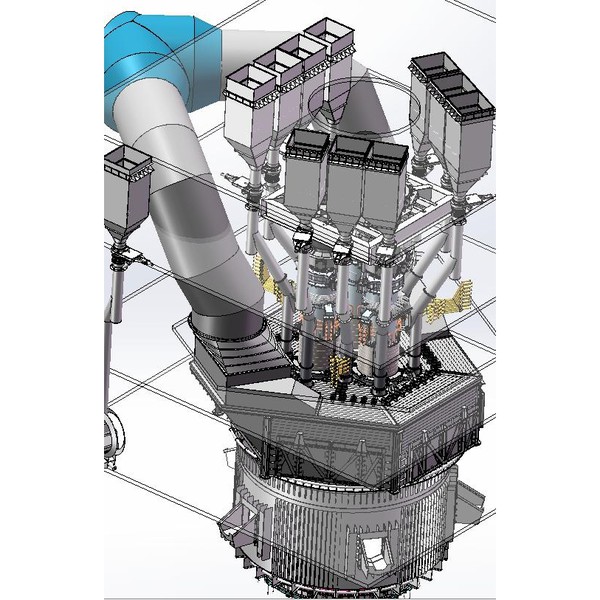
Furnace Shell
The furnace shell is the outside construction enclosing all the internal parts. Its strength helps to resist high temperatures during the smelting operation. Without a strong shell, your furnace stands the danger of structural damage.
Graphite Electrodes
Graphite electrodes drive electricity into the furnace, producing the heat required for smelting. You rely on them for effective energy transmission. Good electrode maintenance guarantees maximum performance of your furnace.
Hearth
Molten metal gathers at the bottom of the furnace in the hearth. Given its handling of high temperatures, you want it to be extremely heat-resistant. A well-maintained hearth guarantees optimal molten metal flow and slag separation.
Feeding System
The feeding system supplies raw material comprising ore and reducing compounds into the furnace. For effectively smelting, you depend on this system to have a constant flow. Good feeding systems save downtime and increase output.
Submerged Arc Furnace Transformer
This transformer controls the electric current, guaranteeing the correct power supply into the furnace. It helps you ensure the effective conversion of energy into heat. Robust transformers assist in preventing power surges and equipment breakdowns.
Tapholes
Tapholes let you drain slag and molten metal from the furnace. Maintaining the smelting process uninterrupted and effective regulation of material flow depends on them.
Cooling System
The cooling system keeps overheating under control through the dissipation of extra heat from the furnace’s essential parts. Sufficient cooling helps to shield the furnace from heat damage. Thus, a well-made cooling system maintains operating stability and increases the lifespan of your furnace.
Exhaust System
The exhaust system removes gas and dust, maintaining a cleaner and safer workplace. You rely on it to mitigate detrimental pollutants. A good exhaust system improves the air quality around your production facility and helps you comply with environmental rules.
Refractory
The refractory lines the furnace interior, protecting the furnace from intense heat and chemical reactions. You depend on the refractory for preventing furnace wall damage. Selecting appropriate refractory material guarantees that your furnace runs effectively and stays strong over time.
How Does a Submerged Ore Furnace Work?
When smelting in submerged ore furnaces: after the qualified silica, reducing agent and steel scrap are proportioned by electronic scale, the weighed charge is poured into the hopper → sent by belt or inclined bridge material truck Into the furnace top silo → According to the demand of the charge, the charge can be directly added to the furnace from the material pipe connected under the silo (or added to the furnace with a feeder), and the small furnace usually sends the charge to the operation platform, Manually added to the furnace.
The material surface of the furnace mouth should maintain a certain shape, the electrodes should be in the shape of a wide and flat cone, and the height of the cone should be 200-300mm. In order to adapt to the characteristics of concentrated heat and fast chemical materials in this area. Feeding can be done with less work addition or batch concentrated feeding, and the deviation of feed should be corrected in time.
In order to maintain good air permeability in the furnace, it is necessary to carry out dazzling and pounding in time. It should be dazzled with round steel in areas with poor air permeability (weak fire, hard material surface), and areas with severe "stab fire" (furnace gas is ejected from around the electrode with great pressure), or according to furnace conditions. The blackened area or "stab fire" area of the face and the lower part of the cone is stoked. Dazzling to be diligent, according to furnace conditions.
- Small pounding furnace can be carried out according to furnace conditions. The large pounding furnace is generally carried out after the iron is tapped.
- When the molten iron in the furnace accumulates to a certain amount, preparations for tapping should be made.
- Before tapping, tools and mud balls for opening and blocking furnace eyes should be prepared, and the ladle should be checked.
- When tapping, first use round steel to remove the residual flooding, residual iron and mud balls around the furnace hole with round steel, and then use round steel to open the furnace hole at the top of the center line of the furnace hole. When the tapping hole is difficult to open, it can be used The round steel is connected to the burn-through device and boiled.
- The furnace eye should be large on the outside and small on the inside, in a round shape. After the tap hole is opened, the size of the iron flow should be controlled to be appropriate, and the tap time should be controlled within 15 minutes. After tapping, clean the tap hole, and use plugging material to block the tap hole.
Designing a Submerged Ore Furnace Takes Careful Consideration of Numerous Factors
Power Capacity
Your production scale will help you to decide on the suitable power capacity. More heat generation made possible by higher power will help you to smelt effectively. Choosing the correct power capacity guarantees flawless operation of your furnace free from energy excesses or shortages.
01
Electrode Configuration
The way heat distributes over the furnace depends on the chosen electrode arrangement. Your energy and production needs will guide your choice of single or multiple electrodes. Consistent and effective smelting outcomes come from a balanced electrode configuration.
02
Raw Materials
Design of a furnace depends on knowing the kinds and qualities of the raw materials you use. You have to give ores and additives’ chemical composition, particle size, and moisture content some thought. Good smelting performance and high-quality metal output depend on well-chosen and prepared raw materials.
03
Cooling System
Preventing overheating of your furnace components depends on a good cooling system. The cooling system helps you to keep your furnace solid and prolong its lifetime. Stable operation and low risk of thermal damage during strong smelting operations are guaranteed by a well-designed cooling system.
04
Environmental Controls
Your furnace design depends critically on your management of waste and emissions. To satisfy environmental laws, you must include systems for capturing and filtering emissions. Good environmental controls guarantee not only the safety of your workplace but also the compliance with industry requirements and sustainability of your operations.
05
How to Calculate Pcd of Submerged Ore Furnace
Measure the Center-to-Center Distance
Start by measuring the distance separating any two adjacent electrodes. Your PCD calculations starts with this distance.
Count the Number of Electrodes
Count the electrodes your furnace utilizes. Usually, you will run into either three- or six-electrode layouts.
Use the Formula for PCD
For a three-electrode furnace, use the formula:
PCD = Distance between two adjacent electrodes / sin(120°)
The formula stays the same for six electrodes, although the general layout changes depending on electrode locations.
Verify the Result
Verify the accuracy by making sure the measurement conforms to furnace design criteria following PCD calculations. Correct electrode location and best furnace performance depend on proper PCD.
Adjust as Needed
Adjust the electrode position according on your calculations if needed. Achieving homogeneous heat distribution and effective smelting depends on PCD being corrected of any errors.
What Are the Main Factors Affecting the Age of Submerged Ore Furnace?
The smelting temperature is generally above 1600 ℃, which has a great influence on the furnace age. In addition, due to the design of one electric and two furnaces, the furnace lining has to withstand rapid cooling and rapid heating. This phenomenon is unavoidable in the smelting process, but the degree and time of high-temperature thermal action should be reduced or shortened as much as possible, such as rapid furnace repair and charging, ensuring normal operation of equipment, and minimizing thermal shutdown.
In the process of steelmaking, various chemical reactions are carried out from beginning to end, especially at the slag-steel interface, where the lining refractories are easily peeled off under the action of chemical reactions. Chemical attack is related to the composition and fluidity of the slag. When the content of acidic or slightly acidic oxides such as SiO2, P2O5, Al2O3 or Fe2O3 in the slag is high, MgO is easily reacted to generate corresponding magnesium silicate and magnesium aluminate. The influence of the fluidity of the molten slag on chemical erosion is mainly manifested in: the alkalinity of the thin slag is low, the chemical reaction is violent and the molten pool can be rolled, which can easily increase the thermal load of the furnace lining; The smelting time also promotes the damage of the furnace lining.
Submerged ore furnace steelmaking relies on the conversion of electrical energy into heat energy to melt the cold material and heat the molten pool. The conversion and transfer of this energy is completed by the arc light of the electric arc. The radiant or reflected heat of the arc will also act on the lining to soften the refractory. At present, in the smelting process of submerged ore furnace steel, although the influence of arc radiation or reflection on the life of the furnace lining cannot be completely avoided, it can be minimized through various ways. For example: when charging, the solid cold material should be reasonably distributed in the furnace, so that the arc light can be surrounded by the steel material within a short period of time after power transmission; in the smelting process, the arc light can be surrounded by It can also greatly reduce the damage to the furnace lining due to arc radiation or reflection.
Unreasonable charging and distribution, there is no light waste under the heavy material, or the material basket is lifted too high, the furnace bottom and furnace slope may be subjected to the collision, vibration and impact of large heavy materials to form potholes. If the charging is unmanned or the crane is not running normally, the result will be that the material basket is pulled and slanted and the furnace wall is damaged. Or the selection of steel materials is not strict, and there is a serious explosion during the melting period, which will reduce the service life of the furnace lining. The smelting workshop is noisy, and the impact of noise waves is also another factor for damage to the furnace lining.
In the smelting process, low-level operation is extremely harmful to the furnace lining. Improper oxygen blowing, the temperature of the oxygen nozzle is as high as 2100 ℃, if the oxygen flame is blown to the water-cooled furnace wall after being reflected by the large scrap steel, it is very easy to blow out the water-cooled furnace wall. Improper use of the power system may cause serious damage to the refractory due to excessive temperature in the early stage or heating up after the reduction period. Improper implementation of the slag-making system, such as the oxide slag is too thick and thick and the ore is added at a low temperature, the CO bubbles cannot be discharged at the beginning, and then burst out violently. If the slag is too thin for some reason during the reduction period, the arc reflection is serious, and the damage of the furnace lining is easily accelerated. Improper control of chemical composition results in heavy oxidation and overheating of molten steel, which not only prolongs the smelting time, but also reduces the service life of the furnace lining.
Our Factory
Our guiding vision -- "A robot for every family" -- encourages customers to "Live Smart. Enjoy Life" with stylish and functional robots that are more than simple household appliances. We create home service robotics that make life easier, smarter, more efficient and connected, freeing you to spend more time doing what you love, with the people you love. At ECOVACS, we believe our smart home robotics with their unique mobility and spatial awareness capabilities will be an integral part of smart home in the future.


FAQ
As one of the most professional alloy equipment manufacturers and suppliers in China, we're featured by quality products and good price. Please rest assured to buy alloy equipment made in China here from our factory. Contact us for quotation.
alloy seal equipment, alloy window equipment, alloy chain equipment