


Products
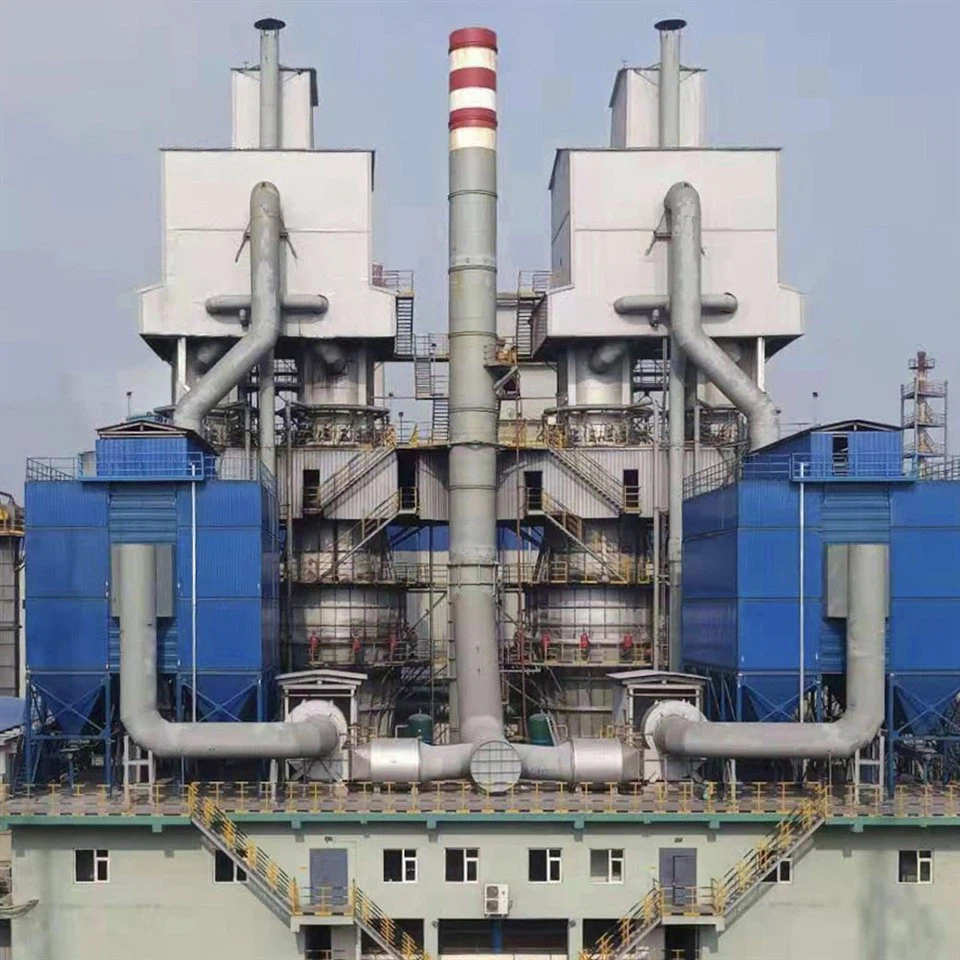


Twin Shaft Lime Kiln
Twin shaft lime kilns: full name is double chamber parallel flow regenerative lime kiln; Calcined raw materials: limestone and dolomite; Fuel: natural gas, coal, petroleum coke, coke oven gas, blast furnace gas, calcium carbide furnace tail gas, mixed gas, etc.; Output 100t-900t per day; Lime quality: high activity degree of soft burnt lime.
Features
Twin shaft lime kilns are a type of kiln used for the calcination of limestone (calcium carbonate, CaCO₃) to produce quicklime (calcium oxide, CaO). This process is a key step in the production of lime, which is used in numerous industries, including construction, agriculture, and environmental management.
The twin shaft kiln design is characterized by two parallel shafts, each containing a series of combustion chambers where the limestone is burned. The kiln operates on a continuous feed system, where limestone is introduced at one end and the calcined lime is removed from the other end. The twin shaft configuration allows for a more uniform distribution of heat and a more efficient calcination process.
Here's a simplified overview of how twin shaft lime kilns work:

Feeding: Finely ground limestone is continuously fed into the top of the kiln, where it is distributed into the two parallel shafts.
Combustion: Air or a gas fuel is introduced into the combustion chambers located at the bottom of the kiln. The intense heat from the combustion reaction causes the limestone to calcine and convert into quicklime.
Calcination: As the limestone moves upward through the kiln, it is gradually heated and decomposed. The calcined lime, which is now calcium oxide, moves towards the discharge end of the kiln.
Cooling and Discharge: The hot calcium oxide is cooled as it moves closer to the discharge end. Once cooled, the quicklime is removed from the kiln and stored for further processing or direct use.
Exhaust Gas: The exhaust gas from the kiln, which contains carbon dioxide and other combustion byproducts, is typically treated to minimize environmental impact.
Twin shaft lime kilns offer several advantages over single shaft kilns, including:
Improved Heat Distribution: The parallel shaft design allows for better heat transfer and calcination uniformity, leading to higher quality quicklime.
Higher Production Rates: Twin shaft kilns can handle larger feed rates and thus achieve higher production capacities.
Greater Efficiency: The design can be more energy-efficient, reducing fuel costs and overall operational expenses.

The operation of twin shaft lime kilns is highly automated, with sophisticated control systems to monitor and adjust process variables such as temperature, feed rate, and combustion conditions. This ensures consistent quality of the product and optimal kiln performance.
Hot Tags: twin shaft lime kiln, China twin shaft lime kiln manufacturers, suppliers, factory, parallel flow regenerative kilns, limestone kiln, hydrated lime system, hydrator of lime, Hydrating Cylinder, limestone calciner
No Information
You Might Also Like


Send Inquiry
